I’ve never liked the phrase “doing more with less.” It gets tossed around so often that it sounds noble, but it usually feels like a scolding. It implies people aren’t working hard enough or wringing every drop out of their already-limited time, energy, and budgets. It piles guilt on top of fatigue.
That phrase comes straight out of a scarcity mindset. Rural and under-resourced communities, in particular, have been told to “do more with less” for generations — usually without any real structural support behind them. No wonder it sounds more like blame than inspiration.
Doing more with what we have
What if we shifted the focus to doing more with what we have? It’s a small change in language, but a big change in power. Instead of staring at what’s missing, we start seeing what’s already in our hands.
Doing more with what we have means:
-
Honoring what already exists — the people, stories, skills, culture, spaces, and relationships right here.
-
Leading with creativity and connection, not cuts and sacrifice.
-
Seeing communities not as broken, but as full of untapped strengths and possibilities.
This mindset invites us to look at our current resources differently — to start from abundance. It rejects the tired message that “if you just cared more, you’d work harder,” and replaces it with, “you already have powerful tools — let’s use them in new ways.”
What it looks like in practice
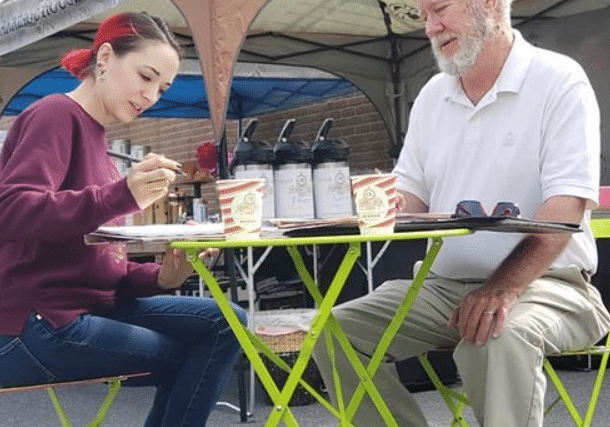
This is where the Idea Friendly approach shines. It means fewer rigid meetings and more hands-on experiments. Fewer long committee discussions and more quick conversations on back porches, in coffee shops, and at the park. It means everyone can contribute in small, meaningful ways.
We don’t have to wait for someone to rescue us with more money, more people, or more stuff. We can use what we already have — together — in ways that respect our work, celebrate our gifts, and build steady, lasting change.
Bonus:
Becky and I at SaveYour.Town have listened to you and made videos that address your challenges. Here are a few examples and video solutions that work with what you already have.
- Turning overlooked spaces into gathering places: empty lots become pop-up markets, art spaces, or mini parks.
- Matching local talent with small, testable projects: people try ideas at a tiny scale without huge risk or permission hurdles.
- Using existing events, buildings, or informal networks as launchpads for new ideas instead of waiting for big funding or a brand-new program.